What is acupuncture?
In a calm comfortable setting, I stimulate selected points on the body (using very small needles) to restore balance and promote healing, so you can be present and live your most vibrant life. Acupuncture is part of Traditional Chinese Medicine, which has been around for millennia.
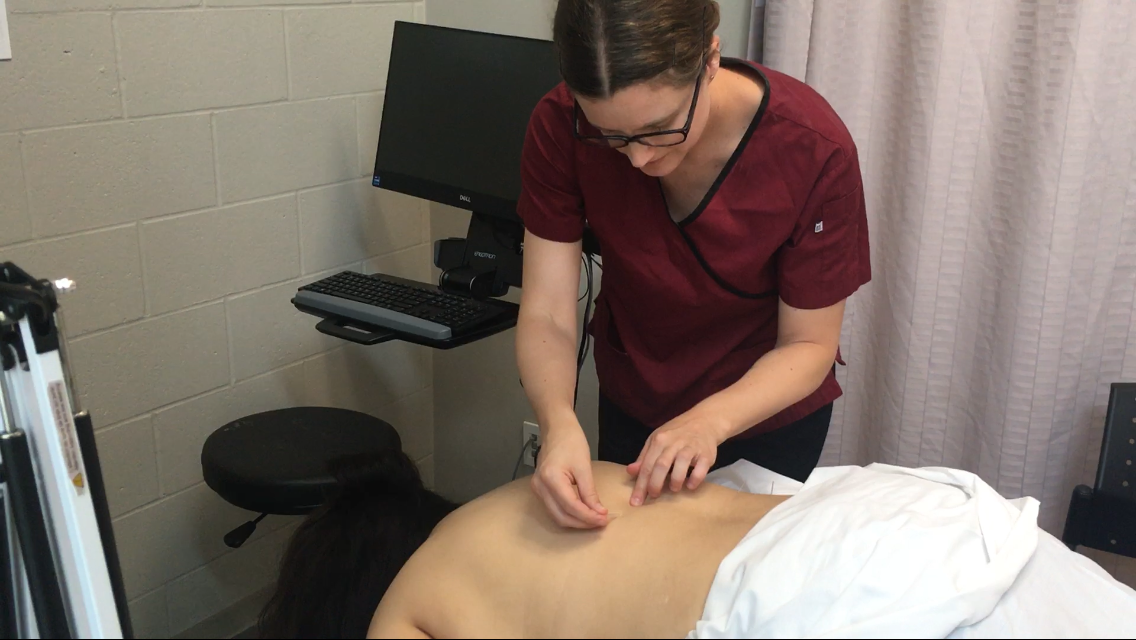
What can acupuncture help with?
Relax muscles
Reduce pain
Decrease swelling
Regulate digestion
Improve energy
Reduce night sweating
Calm the mind
Promote sleep
and more
What does an appointment look like?
In the first appointment I gather a lot of information to come up with a customized treatment plan rooted in TCM (Traditional Chinese Medicine) principles. I ask about your primary complaint, and any other imbalances.
Then I provide a treatment. This is usually acupuncture, and might include other modalities too (eg cupping, ear acupuncture, Chinese massage [tui na]). You should get some benefit from the first session.
It often takes more sessions to get the full benefit. At subsequent appointments, I check to see if anything has changed, and then use that to guide the treatment.
What are acupuncture, cupping, etc?
Acupuncture
Acupuncture uses very thin needles to stimulate selected points on the body’s meridians (or channels) to bring the body back into balance and promote relaxation and healing. Stimulating these points helps relax muscles and reduce pain, decrease swelling and aid in regulating immunity, treat and reduce the likelihood of stress-related problems, and more. Each of the channels connects to specific internal organs, so acupuncture can help regulate these organs (lung, heart, digestive organs, etc.) to bring things back into balance.
Ear Acupuncture
The ear is seen as a microcosm of the whole body, so stimulating specific points on the ear can benefit the body. This can be done with needles during the treatment, or with small seed on a piece of tape (earseeds can be left on for 3-5 days and you can press on them to stimulate the point whenever you like).
Cupping
A cup is suctioned to the skin (either using heat or a pump to remove air from the cup and create suction). The purpose is to promote circulation, dispel pathogenic factors (wind, cold, dampness), decrease swelling and stop pain, and keep the body healthy. It can leave temporary circular bruise-like marks on the skin, but it is not painful and we can vary the amount of suction depending on your preference and body constitution.
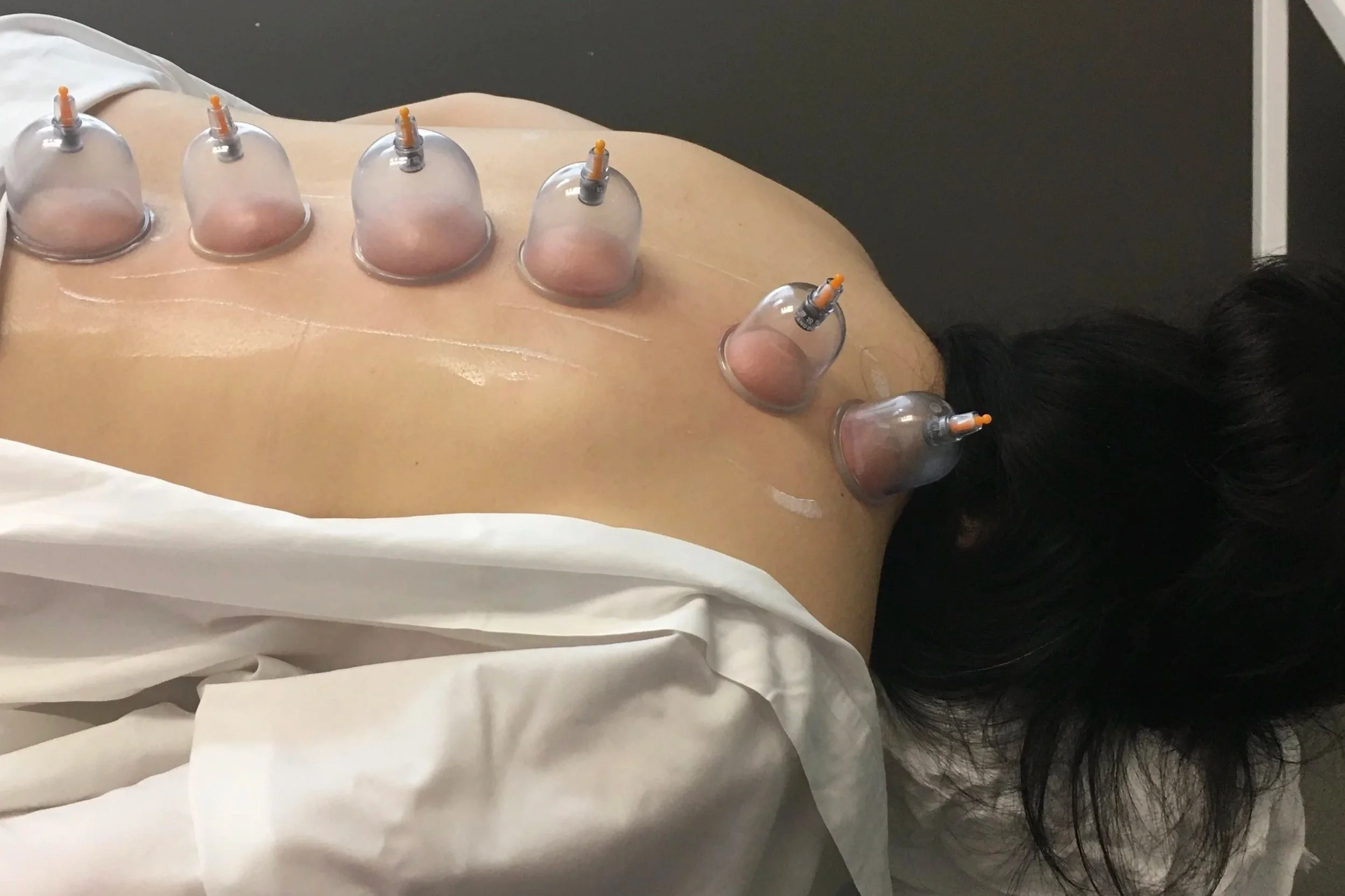
Cupping. Here I did moving cupping: I put lotion on the skin, and glide the cups over the skin, before leaving them in one place
TCM Massage (Tui Na)
Traditional Chinese Medicine massage, also called Tui Na, follows meridians and points with the aim of restoring balance and enhancing overall well-being. It promotes circulation in the meridians, helps repair tissues and organs, balances the body, and regulates the internal organs.
Why do you ask so many questions? What’s up with the tongue and pulse?
I ask a lot of questions in order to come up with a TCM (Traditional Chinese Medicine) diagnosis, or pattern of disharmony. This helps me treat your primary complaint, but also you gently regulate your whole body (using acupuncture, other techniques, and potentially lifestyle recommendations).
All questions are optional! They are meant to guide the treatment, and give you the best result.
Another part of TCM is tongue diagnosis (we can learn a lot about what is going on within your body by looking at the colour, shape, and coating on your tongue). We also feel your pulse: the rate, depth, and “quality” of the pulse can tell us a lot about what is going on inside your body as well.
Do the needles hurt?
The needles are very small, and inserted in such a way to minimize any discomfort. Depending on the point location and your sensitivity, you may not even feel it. You might feel a small pinch, less than what you would feel from a needle at the doctor’s office.
After the needles are in, you might feel a sensation as your body’s qi (energy) arrives where it needs to go. It is not painful, and might show up as a feeling of heaviness or aliveness. These are good signs!
Are there risks?
Acupuncture is safe, although it has some risks. We practice in a safe way, to prevent any harm:
Acupuncturists use sterile single-use needles, wash or sanitize our hands a lot, and follow Clean Needle Technique. We do this to prevent infection.
We also know the safe needle depths and angles for every point, where internal organs are located, and we practice within our scope.
Safety was an important part of what we learned in school, and was repeated many times! Every Registered Acupuncturist in NS has graduated from an accredited school.